Neglected construction jobsites are honeycombed with expensive equipment, power tools, loose materials, and temporary infrastructure. Empty buildings invite theft and trespassing, but something as simple as an unsupervised compressor can feed multi-state crime rings and fuel tomorrow’s burglary attempts. Project leaders who make preventing construction equipment theft a priority protect their profit margins, keep overhead low, and maintain on-schedule delivery windows.
Aside from direct equipment costs, idle labor charges and potential lien payments from missed deadlines create negative cash flow when equipment goes missing. Security is more than recovery percentages and visible patrols. Layers of site control from physical perimeter fences to documented asset logs keep project managers prepared for anything.
Why Is Preventing Construction Equipment Theft a Priority?
Construction equipment theft alone is responsible for $300 million-$1 billion in lost assets every year. Universal ignition keys, high scrap value, and quick resale opportunities make construction machines a lucrative target for organized criminals and weekend vandals.
When heavy equipment is stolen, the project absorbs the losses through diminished productivity and recovery expenses. Idle construction crews add up, just like the cost of leasing replacement machinery to meet delivery deadlines. Recovering lost equipment often falls to the project team’s doorstep after insurance denies claims or imposes premium increases on the entire company vehicle fleet.
Tools and technology that restrict machine operation for unauthorized users is your first line of defense. Standard heavy equipment keys provide instant access to every piece of machinery with that exact ignition switch. Padlock those locks. Position trailer-mounted construction vehicles so they physically prevent the movement of smaller machines (if stolen) and reinforce site boundaries with ample lighting. Sites with obvious security plans and physical barriers are much less attractive to theft criminals.
What Construction Security Tips Can Be Applied Right Now?
Heavy equipment stays put with a layered approach to security. Visible deterrents like bright lighting and locking equipment inside fenced structures are basic steps. Remote camera coverage and detailed asset tracking prevent targeted theft of the highest-value machines.
If you’re only using one of these tactics, you’re not protecting your assets. Thieves will take the path of least resistance. Your job is to make that path lead somewhere else.
Site Security Key Action Steps
- Position remote bright LED lighting around all equipment staging areas. Solar and motion-activated units prevent battery theft and blackout conditions.
- Lock padlockable steel containers at the end of each shift to store valuable tools, unused copper wiring, and electrical generators.
- Designate gate check areas to create a single entrance and exit for vehicle traffic.
- Keep a logbook with identification numbers, serial numbers, and photos of all equipment on-site.
- Practice safe equipment lock-up overnight by removing construction vehicle batteries, installing hydraulic wheel locks, or using ignition kill switches when machines are not in use.
Operational procedures communicate to your team where things belong on a jobsite. Natural organization makes everyone more security conscious because they know where things should be at the end of each shift. Overflow trash from construction fits perfectly in commercial dumpster rentals, and throwing containers away is easier than hunting dumpster rentals last minute.
How Can Construction Site Fencing Help?
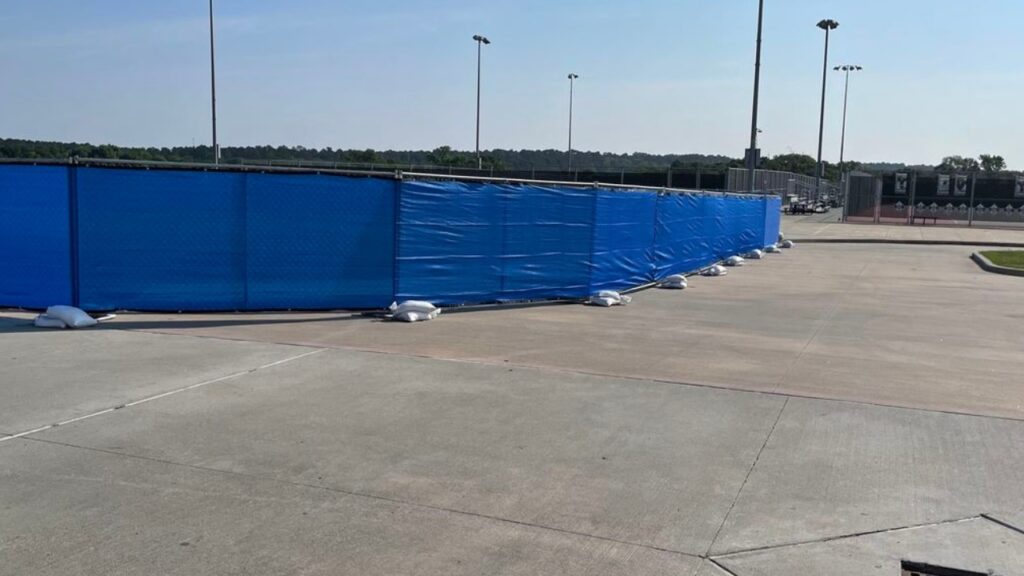
Temporary fence rentals offer construction teams peace of mind by surrounding buildings with tall physical barriers. Visual discouragement and environmental obstacles are the first steps to preventing theft on construction sites. Installing temporary fence rentals around your site:
- Deters casual trespassing.
- Creates privacy so equipment can’t be surveyed by passersby.
- Restricts unauthorized vehicle access by fencing big trucks out.
Taking full advantage of site-perimeter fencing means denying criminals easy access. An open field between public roads and construction equipment is an open invitation for criminals to drive in and browse merchandise. Privacy fence panels enhance site security by limiting high-value visibility from passing vehicles.
Installing construction site fencing also creates defined boundaries. Job site fences force would-be criminals to plan disruptive break-ins under the cover of night. Scaling chain-link fences doesn’t mix well with hauling heavy equipment or stripping loose material discreetly.
Site fencing with gated entrances ensures that every vehicle arriving or leaving your property comes through you first. Pairing temporary fence rentals with privacy screening allows teams to hide high-value construction machines, unused materials, and dumpsters from prying eyes at street level.
Do You Know How Secure Your Site Is?
Q. Are high-dollar machines currently stationed next to dark, outside property edges overnight?
Construction machines should be locked and stored inside a temporary fence perimeter during non-working hours. Place equipment in a centralized location away from property edges. Make sure all machinery is locked and assets are tracked with detailed documentation.
Q. Do your machines currently operate with OEM default keys?
No two keys should be the same. Upgrade your security with custom key codes, battery disconnect switches, or install colllar locks that prevent hot starts.
Q. Can pedestrians look into your site and identify where tools are stored?
Installing privacy windscreen panels along your fence line will prevent passersby from targeting your equipment and materials stored outside.
Strategies for Protecting Heavy Equipment
Eliminating site vulnerability is easier than you think. Tracking software, locking systems, strategic equipment placement, and operating procedures protect heavy equipment from theft. Projects leveraging GPS technology to record asset locations streamline inventory control and simplify return patrols.
Heavy equipment is too large to hide. GPS trackers attached to your machines allow you to set digital site boundaries and receive theft alerts when devices pass these checkpoints. Each time a tracked machine leaves the jobsite, a mobile security notification alerts authorities to verify relocation.
Heavy Equipment Protection Strategies
| Security Solution | Layer of Protection | Benefit |
| GPS Trackers | Digital Tracking | Eliminates missing asset blind spots and accelerates recovery efforts |
| Battery & Hydraulic Locks | Machine Immobilization | Physically prevents engine startup |
| Temporary Fence Rentals | Site Perimeter Security | Prevents vehicular access and limits foot traffic |
| Motion Detector Security Lights | Outdoor Visibility | Removes hiding spots and dark areas on site |
| Digital Logbooks | Administrative Best Practice | Documents usage and highlights missing assets prior to departure |
Restricting vehicle operation without proper authentication gives you more time to react if theft occurs. GPS trackers paired with security locks allow you to track movement in real-time while limiting hot starts.
How Does Equipment Theft Prevention Impact Overall Site Security?
The most effective construction site security tactics span multiple layers of physical, digital, and operational controls. Thieves seek the path of least resistance. Conspicuous security measures and tightly managed job sites discourage criminals from targeting your equipment.
Site security starts with organization. Equipment and supply trailers placed strategically balance site aesthetics and protect high-dollar assets. Purposeful placement of materials and tools makes it easier to notice missing items or strangers.
Constructing a Safe Jobsite
Construction site security should be part of your overall project plan. Speak with your local law enforcement agency to identify high-risk theft periods based on neighborhood crime statistics. Prepare your team and security protocols to match.
Preventative measures are only as strong as the people enforcing them. Hold daily job site walkabouts to verify security practices are being followed. Visible deadbolts on storage containers, equipment staged inside secure perimeters, and vehicles parked in defensive positions prove your team expects criminal interactions.
Promoting best practices and security measures cements your commitment to asset protection. Having everyone from project managers to subcontractors create and maintain access logs holds every person on your team accountable. Weekly security meetings keep contractors and trade professionals engaged in crime deterrence.
Let Texas Johns Help | Construction Site Security Solutions
Construction site security gates keep equipment where it belongs. Partnering with Texas Johns to install temporary fence rentals sets your outer perimeter and keeps your most vulnerable assets secured inside.
Gain visibility over every piece of equipment leaving and entering your property by installing a temporary fence rental around your site. Don’t have room for a fence? Texas Johns can help with site security with commercial dumpster rentals. Stuff trash into rolling containers and forget about waste until project completion.
Contact Texas Johns to discuss your project needs and receive your free quote for commercial-grade construction site security and logistical support.
Frequently Asked Questions
Q: How do you prevent theft at construction sites?
A: Prevent construction equipment theft by installing temporary fence rentals around your site, using motion-detector lights, GPS tracking accessories, locking machines when not in use, and conducting end-of-day job site audits.
Q: Does fencing off a construction site help prevent theft?
A: Yes, fencing a construction site lays the groundwork for a secure jobsite. Construction site fencing creates a physical barrier that defines site boundaries and prevents equipment and materials from being easily stolen.
Q: Should construction equipment have GPS tracking devices?
A: Yes, GPS tracking devices are great tools for preventing theft. Hidden GPS tracking devices allow you to create digital boundaries around your job site and receive notifications when equipment is moved.