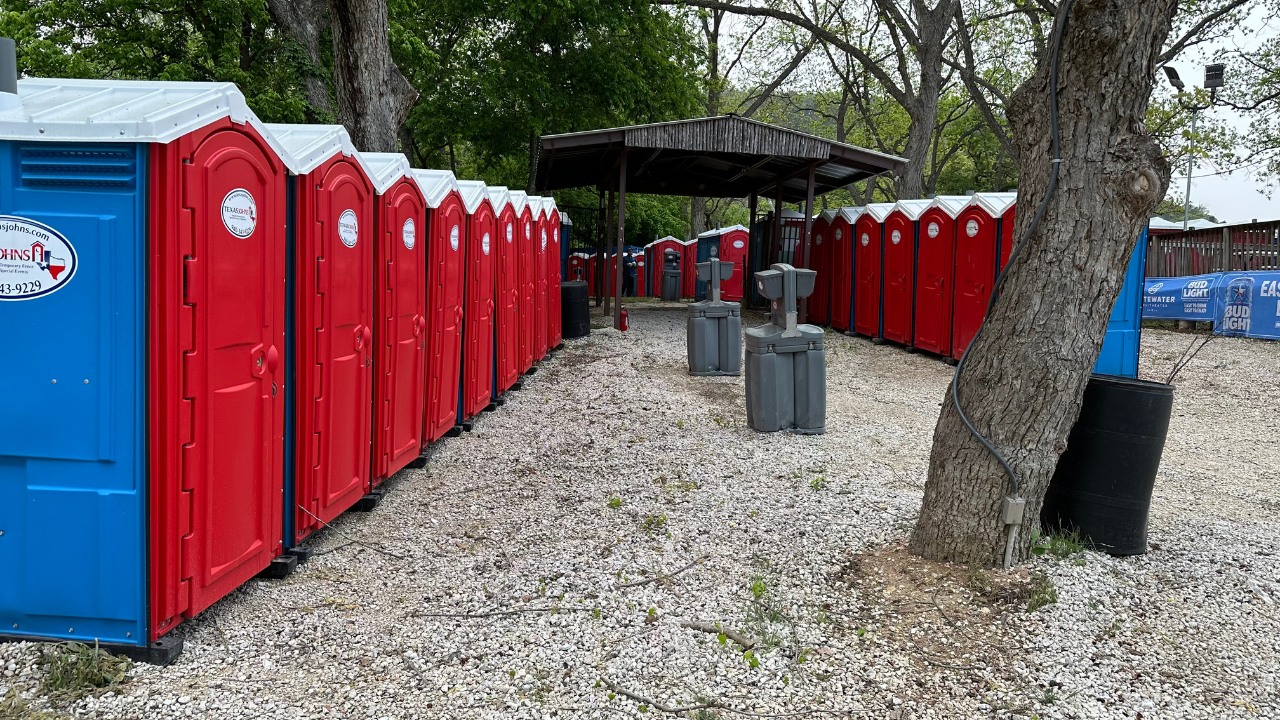

Maintaining temporary restrooms on a busy job site or high-traffic community gathering requires a proactive plan. When facilities are left unmanaged, poor conditions lead to negative user experiences, safety hazards, and unnecessary operational delays. Knowing how to maintain a portable toilet rental properly keeps users comfortable, protects public health, and extends the life of your equipment rentals.
Understanding portable restroom maintenance helps site managers stay ahead of waste buildup, foul odors, and supply shortages. From routine waste pumping to managing supply levels, consistent care turns a basic amenity into a clean, dependable asset.
Why Does Portable Toilet Maintenance Matter? Protecting Health and Comfort
Proper porta potty maintenance protects public health, prevents aggressive odors, maintains workforce morale, and keeps job sites compliant with health regulations.
A clean temporary restroom reflects directly on project or festival management. On long-term construction projects, well-kept restrooms improve worker productivity and satisfaction by providing a hygienic space during long shifts. In commercial properties and event venues, spotless facilities protect the host’s reputation and prevent guest complaints.
Inadequate care lets bacteria, mold, and unpleasant smells build up quickly, especially in warmer months. Regular attention prevents cross-contamination, keeps handwashing equipment operational, and helps managers avoid costly emergency sanitation calls or equipment damage.
How to Keep Portable Restrooms Clean and Sanitary | Daily Protocols
Daily portable toilet cleaning involves wiping high-touch surfaces, restocking paper supplies, checking ventilation vents, and sweeping out loose debris.
Maintaining sanitary conditions requires simple daily check-ins between scheduled professional service visits. Workers should wipe down high-touch points like door handles, lock latches, toilet seats, and hand sanitizer pump levers with disinfectant spray or antibacterial wipes. Keeping these surfaces clean limits germ spread among frequent users.
Floor care is equally important for daily portable toilet sanitation. Sweeping out dirt, mud, and windblown litter keeps the interior tidy and prevents slip hazards. Inspecting vent pipes to make sure they are clear of leaves, bird nests, or cobwebs maintains air circulation, allowing internal exhaust channels to pull hot air and fumes up and out of the cabana.
How Often Should a Portable Toilet Be Serviced? Schedule Regular Pumping and Servicing
Routine portable restroom servicing requires pumping holding tanks at least once per week for standard usage, with higher frequencies for busy sites.
| User Volume | Recommended Servicing | Key Tasks |
| Low (1-5 users/day) | Once every 2 weeks | Tank pump, interior wash, supply restock |
| Moderate (10 users/day) | Once per week | Tank pump, full surface scrub, deep sanitization |
| High (Events, 20+ users) | Multiple times per week | Daily tank pump, continuous restocking, fresh chemical recharge |
Determining the right schedule for portable restroom rental maintenance depends on foot traffic, weather conditions, and total event duration. Standard construction porta potty rentals serving ten workers on a forty-hour workweek need full professional servicing at least once a week. This process includes pumping out the holding tank, scrubbing the interior walls, recharging the tank with fresh deodorizing liquid, and restocking toilet paper.
If attendance spikes or work hours increase, scaling up your service schedule prevents tank overflows. Overfilling a holding tank leads to severe sanitation hazards and structural spills that require costly environmental cleanup.
How Do You Keep Portable Toilets Stocked?
A complete portable restroom maintenance routine requires daily checks on soap dispensers, hand sanitizer reservoirs, paper towels, and fresh water tanks.
Restrooms are only as sanitary as the washing amenities accompanying them. Standalone handwashing units and integrated sink stations require daily checks to verify that water reservoirs remain full and foot pumps function properly. Refill liquid soap dispensers and restock paper towel holders to prevent users from leaving facilities with unwashed hands.
When running standalone units without water hookups, keeping hand sanitizer stations stocked is essential. Monitor gel levels daily during peak hours, and keep backup sanitizer bags or bottles in an on-site storage area for quick replacement.
How to Prevent Odors and Excessive Waste
Prevent unpleasant smells by using high-grade blue deodorizing chemicals, adding scent disks, maintaining ventilation, and scheduling timely tank pump-outs.
Controlling odors starts inside the holding tank. Professional service providers use specialized liquid formulas containing biocides, enzymes, and fragrances that break down organic waste while neutralizing odor-causing bacteria. Adding scented deodorizing disks to wall corners provides continuous air freshening between full cleanings.
Proper airflow plays a critical role in odor prevention. Ensure the vent pipe running from the holding tank through the roof remains unobstructed. Sun exposure drives heat into the plastic cabana, which pulls air up through the vent pipe like a chimney, drawing foul odors out of the unit instead of letting them linger inside the cabin.
Quick Hygiene Checklist
- Are high-touch door handles and latches disinfected daily?
- Is the rooftop vent pipe clear of blockages?
- Are toilet paper rolls and hand sanitizer reservoirs full?
- Is the blue liquid chemical level covering the holding tank floor?
Where to Place Portable Toilets | Choosing the Right Location
Position portable units on flat, paved ground with direct access for service trucks, away from low-hanging trees, standing water, and heavy traffic zones.
Proper placement simplifies porta potty maintenance and prevents accidental tipping. Units must sit on smooth, level surfaces like asphalt, concrete, or firm soil. Placing a restroom on steep slopes or soft mud risks tip-overs, water pooling, and structural instability when users step inside.
Service trucks need direct drive-up access to service units efficiently. Vacuum trucks rely on large hoses to reach holding tanks, so placing restrooms within thirty feet of a clear driveway or service lane lets technicians pump, wash, and restock facilities quickly without dragging hoses through crowds or construction zones.
How Does Weather Affect Portable Restrooms?
Extremely hot or freezing weather requires special adjustments, including thermal chemical treatments, extra shade protection, and frequent fluid checks.
Texas heat accelerates waste breakdown, which causes odors to intensify rapidly inside plastic cabanas. Placing portable restrooms in shaded areas during summer months reduces interior temperatures and slows down bacterial activity. Increasing servicing frequency during heat waves keeps facilities fresh and prevents chemical breakdown.
In colder winter conditions, standing water in holding tanks or handwashing sinks can freeze, cracking plastic basins and internal pumps. Service teams add non-toxic anti-freezing agents to holding tank chemical mixtures to keep fluids liquid during sudden temperature drops.
Call on Texas Johns | Your Partner in Professional Portable Restroom Maintenance
Maintaining clean, comfortable, and reliable sanitation infrastructure requires consistent care and dedicated site support. Texas Johns provides high-quality portable toilets, luxury restroom trailers, handwashing stations, and temporary fencing for sites across Dallas-Fort Worth, Austin, Houston, and San Antonio. Their team delivers dependable portable restroom servicing, transparent pricing, and flexible delivery options tailored to your specific schedule. Contact Texas Johns today to request a quote and establish a custom service plan for your property or event.
Frequently Asked Questions
How often should a portable toilet be cleaned?
A high-touch portable toilet should be wiped down and swept daily, with full professional servicing completed at least once a week for standard commercial use. High-traffic events or busy job sites may require daily professional pump-outs, deep cleaning, and restocking.
How often does a porta potty need pumping?
A standard porta potty needs pumping once a week when used by up to ten workers on a regular forty-hour schedule. Events with high guest counts or locations where alcohol is consumed require multiple pump-outs throughout the day to prevent tank capacity issues.
How do you keep portable toilets from smelling?
Keep portable toilets fresh by using commercial blue deodorizing treatments, adding scent disks, keeping rooftop vent pipes clear, placing units in shaded areas, and scheduling routine pump-outs to remove waste before anaerobic bacteria cause strong odors.