
Managing sanitation logistics for a massive outdoor gathering is one of the most demanding challenges in site operations. When coordinators begin calculating venue infrastructure, asking how many porta potties the Texas State Fair needs provides a practical case study in high-volume crowd management. Spanning 277 acres at Fair Park in Dallas over 24 consecutive days, the fair welcomes over two million visitors annually. On peak days, such as the game day crowd for the Red River Rivalry, daily attendance frequently tops 190,000 people.
Handling that level of foot traffic requires a masterclass in logistics, waste management, and continuous servicing. While local municipal event guidelines in cities across Texas, including Austin and Dallas, typically recommend approximately one toilet per 50 attendees for shorter events, scaling that standard to a multi-week mega-event involves complex variables. Food vendor density, extended hours, alcohol sales, and peak arrival windows all change the operational math dramatically.
How Attendance Drives Texas State Fair Portable Toilets | Estimating Visitor Volume
Calculating temporary facility numbers begins with understanding crowd flow and peak attendance spikes rather than relying solely on total ticket sales. Deploying Texas State Fair portable toilets across a vast venue requires planners to analyze how fairgoers move between major attractions like the Midway, livestock barns, food courts, and stadiums.
A standard event drawing 5,000 visitors over four hours has static entry and exit times. In contrast, state fairs operate from morning until late evening, creating rolling waves of sanitation demand. Morning crowds visiting agricultural exhibits have different facility needs compared to evening crowds gathering around concert stages and beer gardens.
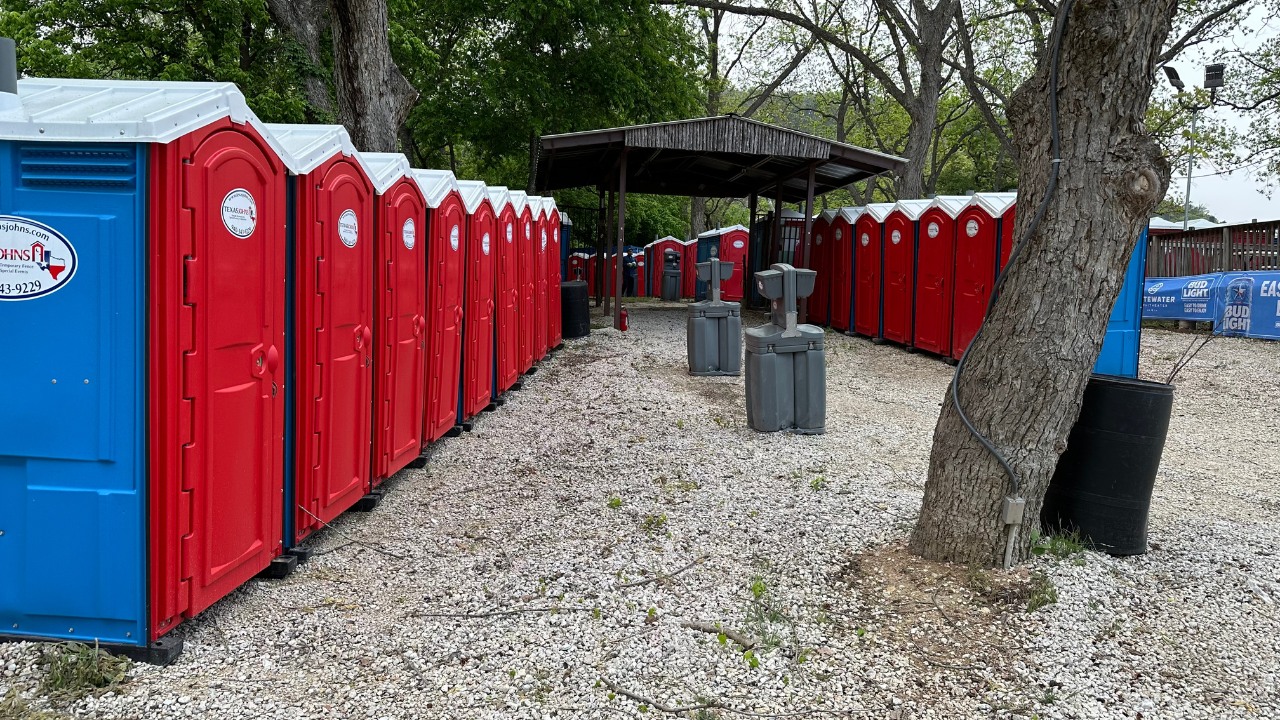
To maintain clean conditions without causing massive footprint bottlenecks, operators strategically distribute units into high-density clusters. Grouping facilities near high-traffic thoroughfares keeps queues moving and allows service crews to access waste tanks without navigating dense pedestrian crowds.
How Many Porta Potties Does the Texas State Fair Need? The Planning Formula
Determining how many porta potties the Texas State Fair needs involves multiplying base crowd estimates by duration multipliers and adjustment factors for food and beverage consumption. Industry formulas start with a baseline ratio and adjust upward as event duration passes four hours.
For standard community events, planners apply a baseline rule of one toilet per 50 guests for events under four hours. However, when events last eight to twelve hours and feature extensive food concessionaires selling fried treats and beverages, usage rates double. Adding alcohol service increases overall facility demand by an estimated 20 to 25 percent due to higher liquid intake and faster user turnover.
Applying this formula to a peak fairground crowd of 190,000 daily visitors yields a baseline requirement of several thousand restroom stalls, combining permanent park facilities with temporary units. Spreading these stalls across designated zones prevents long queues and protects overall public health across the property.
Event Restroom Planning and Portable Restroom Requirements | Beyond the Basics
Successful event restroom planning requires looking beyond simple toilet counts to evaluate user comfort, traffic circulation, and hand hygiene. Meeting comprehensive portable restroom requirements means integrating waste containment, handwashing infrastructure, and clear directional signage into the initial site blueprint.
When thousands of attendees purchase concessions, hand hygiene becomes a primary health priority. Organizers pair portable units with standalone handwashing stations stocked with fresh water, soap, and paper towels. Standard guidelines recommend placing at least one dual-sided handwashing sink for every four to six portable toilets.
Additionally, layout design impacts how quickly lines move. Arranging units in straight, well-lit rows with wide egress paths prevents crowding. Placing clear entrance and exit markers guides foot traffic efficiently, preventing bottlenecking near popular food courts and attraction gates.
Large Event Porta Potties and ADA Accessibility Standards
Integrating large event porta potties into a public venue layout requires strict adherence to federal and state accessibility mandates. Providing accessible facilities protects guest comfort and keeps venue operations fully compliant with the Americans with Disabilities Act.
Regulations require that at least 5 percent—and ideally 10 percent—of all temporary restrooms provided across an event site be ADA-compliant. Accessible units feature wider doorways, flat roll-in ground entryways, interior turning radii exceeding 60 inches, and reinforced safety grab bars.
Placing accessible units on flat, paved surfaces connected to barrier-free pedestrian paths allows wheelchair users, families with strollers, and guests with mobility aids to navigate facilities easily. Scattering accessible stalls evenly across all restroom banks avoids isolating guests in remote corners of the fairgrounds.
What Are Your Event Restroom Needs?
Question 1: Are attendees spending more than four hours at your event with food and alcohol available?
- Option A: Yes. Increase baseline restroom counts by at least 20 to 25 percent.
- Option B: No. Standard baseline calculations of one toilet per 50 to 75 guests will suffice.
Question 2: Does your venue layout include paved paths leading directly to restroom banks?
- Option A: Yes. Accessible units can be integrated seamlessly into primary clusters.
- Option B: No. Lay down temporary decking or select flat, firm ground to accommodate ADA units and service vehicles.
Question 3: Is your event running over multiple days with high daily attendance?
- Option A: Yes. Schedule overnight vacuum truck pumping and continuous daytime sanitization shifts.
- Option B: No. A single post-event pump and pickup will meet operational needs.
Festival Sanitation Planning and Servicing Multi-Day Events | Maintaining Hygiene
Proactive festival sanitation planning relies heavily on continuous waste management and scheduled servicing rather than just initial equipment drops. Running a multi-week gathering demands round-the-clock maintenance to keep facilities clean, deodorized, and fully stocked.
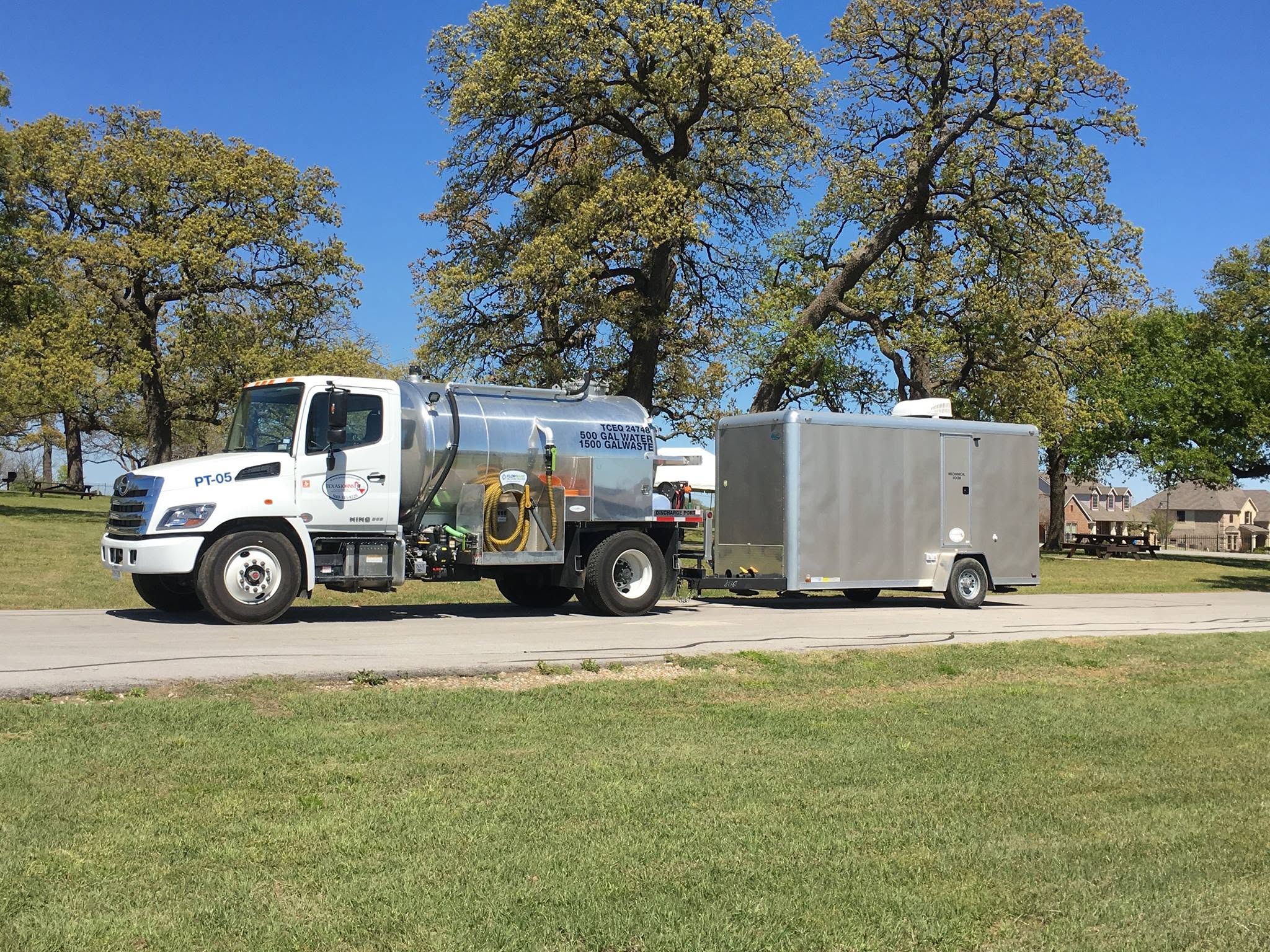
Service trucks equipped with high-capacity vacuum pumps operate during off-peak hours, typically late at night or early in the morning before gates open. Technicians pump holding tanks, scrub internal surfaces with hospital-grade disinfectants, recharge chemical deodorizers, and restock toilet paper and hand soap.
During peak operational hours, dedicated ground crews perform continuous spot-cleaning, trash clearing, and supply replenishment. Having on-site technicians monitor high-traffic areas prevents individual units from overflowing during unexpected attendance surges.
Fairground Restroom Planning Lessons Every Event Organizer Can Use
Studying fairground restroom planning reveals practical strategies that event directors, contractors, and venue managers can apply to gatherings of any size. Prioritizing layout accessibility, continuous servicing, and strategic equipment selection turns sanitation from a potential pain point into a smooth operational success.
Key Lessons for Event Coordinators
- Map out service truck access routes during initial site design so pumping crews can reach units without driving through pedestrian zones.
- Group facilities into functional banks rather than scattering individual units randomly across the venue.
- Balance standard single stalls with flushable units and high-capacity multi-stall trailers for elevated VIP or sponsor areas.
- Secure temporary fencing around back-of-house servicing yards to store backup supplies and maintenance equipment safely.
Applying these industry practices keeps event grounds clean, protects public health, and provides a comfortable experience for every guest on site.
Call On Texas Johns | Your Partner in Festival and Event Sanitation
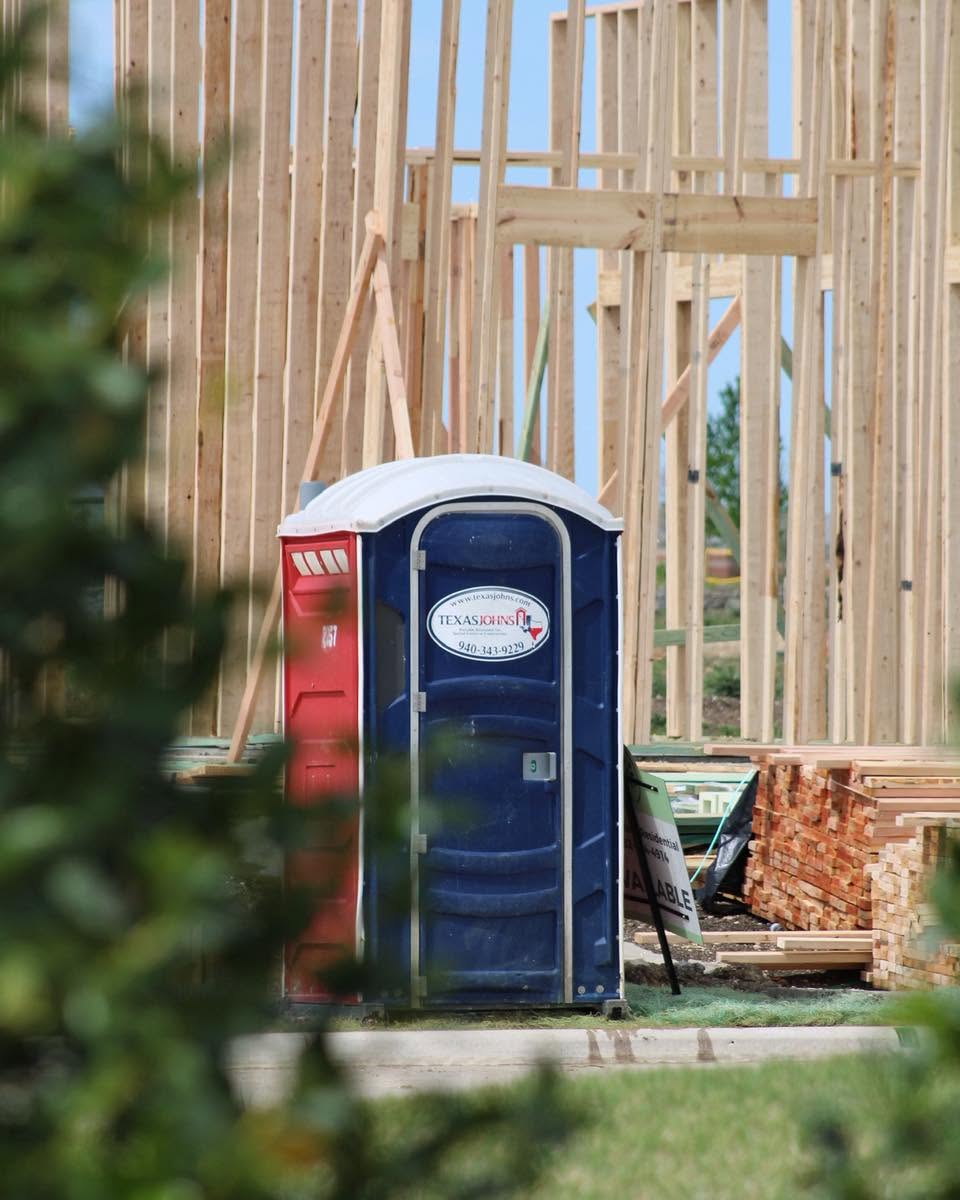
Planning temporary site infrastructure for a major Texas festival, community fair, or commercial construction site requires experienced partners who understand local logistics. Texas Johns delivers reliable, clean, and fully compliant sanitation solutions tailored to the scope of your gathering.
From single-day community events to multi-week outdoor celebrations, our team provides the equipment and servicing schedule necessary to keep your venue running seamlessly. Contact Texas Johns today to request a custom quote and build a dependable sanitation strategy for your next event.
Frequently Asked Questions
Q. How many porta potties are needed for a large event?
Standard event planning guidelines start with one portable toilet per 50 to 75 attendees for events under four hours. For longer events or those serving food and alcohol, increase total quantities by 20 to 25 percent and add dedicated ADA-compliant units.
Q. How do festivals calculate restroom requirements?
Event planners multiply peak attendance by event duration factors and beverage multipliers. They also evaluate venue layout, vendor placement, and municipal health codes to determine total stall counts, handwashing station needs, and required servicing frequencies.
Q. How often should portable toilets be serviced during events?
Multi-day events require daily or overnight servicing, where waste tanks are pumped, surfaces disinfected, and supplies restocked. High-traffic festivals often utilize on-site monitoring crews for continuous daytime spot-cleaning and restocking.