
The skyline of the Lone Star State is a canvas for some of the most exhilarating spectacles in the world. Orchestrating a Texas Airshow is a monumental undertaking that requires more than just high-performance aircraft and elite pilots, it demands a masterclass in logistics, safety, and hospitality.
For event coordinators and project managers, the challenge lies in transforming a vast airfield into a temporary city capable of supporting tens of thousands of spectators. We recognize that while the roar of the engines draws the crowd, it’s seamless execution of the ground game that determines your ultimate success. A successful airshow is a delicate balance of aerial choreography and terrestrial organization.
Today, let’s explore the critical components of airshow management. From the initial phase of securing specialized permits to the complex task of vendor coordination, we will provide a roadmap for creating a safe and memorable experience.
In our vast Texas geography, from the coastal plains of Houston to the high deserts of West Texas, every location presents unique logistical hurdles. Whether you’re planning a local community event or an international spectacle like the Great Texas Airshow, the principles of excellence remain the same. Let’s go through the essential strategies for navigating the complexities of aviation event planning — and making sure your event reaches its full potential.
What Makes a Texas Airshow Successful?
When we analyze the most prestigious airshows in Texas, we find that success is measured by more than just ticket sales. A truly great airshow is defined by the quality of the attendee experience from the moment they exit their vehicles until the final plane lands. Public safety is the absolute foundation; without a flawless safety record, the longevity of an event is at risk. However, beyond safety, the “magic” of an airshow comes from its ability to inspire and educate. High-tech displays, interactive STEM exhibits, and heritage flights that honor aviation history are all elements that elevate a standard event into a world-class experience.
A successful Texas Airshow also requires a deep understanding of crowd dynamics. Spectators at an airshow are unique; they spend hours looking up at the sky, which means site layout must prioritize sightlines while providing relief from the Texas sun.
We want to emphasize the importance of creating a comfortable environment. This includes ample shade structures, hydration stations, and a layout that prevents bottlenecks. If a guest spends more time standing in a line for a restroom than they do watching a Blue Angels performance, the event’s reputation will suffer. Excellence in logistics is the silent partner to aerial excellence. According to industry experts, the “flow” of the event—how people move, eat, and find facilities—is as important as the flight schedule itself.
Getting Your Permits
The regulatory environment for aviation events is rigorous, and for good reason. To run a Texas Airshow, project managers must navigate a complex web of local, state, and federal requirements. The most critical of these is the Federal Aviation Administration (FAA) Form 7711-2, the Application for Certificate of Waiver or Authorization. This permit is what allows pilots to perform maneuvers that would otherwise be prohibited over a populated area. Securing this waiver requires a detailed “flight box” plan, illustrating exactly where the aircraft will fly and confirming that no spectators are at risk in the event of an emergency.
Beyond the FAA, coordinating the Great Texas Airshow involves local municipalities. You will likely need land-use permits, noise variances, and specialized health department permits for food vendors. In major hubs like San Antonio or Austin, the permitting process can take a year or more. We recommend starting this process early to avoid last-minute hurdles that could ground the event. Furthermore, if the airshow is held at an active military base or a high-traffic commercial airport, additional security clearances and inter-agency agreements are required to manage the shared airspace and ground facilities.
Environmental permits are also becoming increasingly important. Large-scale events must have a plan for noise mitigation and potential soil or water protection if the airfield is near sensitive areas. For example, events in the Texas Hill Country must be mindful of the Edwards Aquifer recharge zone. Managing these regulatory expectations is not just about compliance; it is about building a relationship with the community and local authorities. A well-permitted show is a protected show, providing peace of mind for organizers and sponsors alike.
Finding the Right Vendors
No event coordinator can manage a Texas Airshow in isolation. The strength of the event depends on a network of reliable vendors who understand the scale of the challenge. We prioritize vendors who have a proven track record with large-scale outdoor events. When you are expecting 50,000 people on a hot tarmac in August, “good enough” is a recipe for disaster. You need partners who can scale their operations and handle the unique pressures of a multi-day aviation event. This is particularly true when selecting portable sanitation services, as the demand for facilities at an airshow is intense and constant.
Food and Beverages | Quality Concessions
The heat of a Texas Airshow makes hydration and nutrition paramount. We advocate for a diverse mix of food and beverage vendors that can serve large crowds quickly. High-volume concessions like lemonade, water, and easy-to-carry snacks are essential. However, to elevate the experience, many successful shows are now incorporating local food trucks and “taste of Texas” areas. It is critical to confirm that all vendors have the appropriate refrigeration and power supply to operate safely on an open airfield. Coordinating the electrical needs of dozens of vendors is a massive task that requires a specialized temporary power provider.
Portable Restrooms and Portable Sanitation
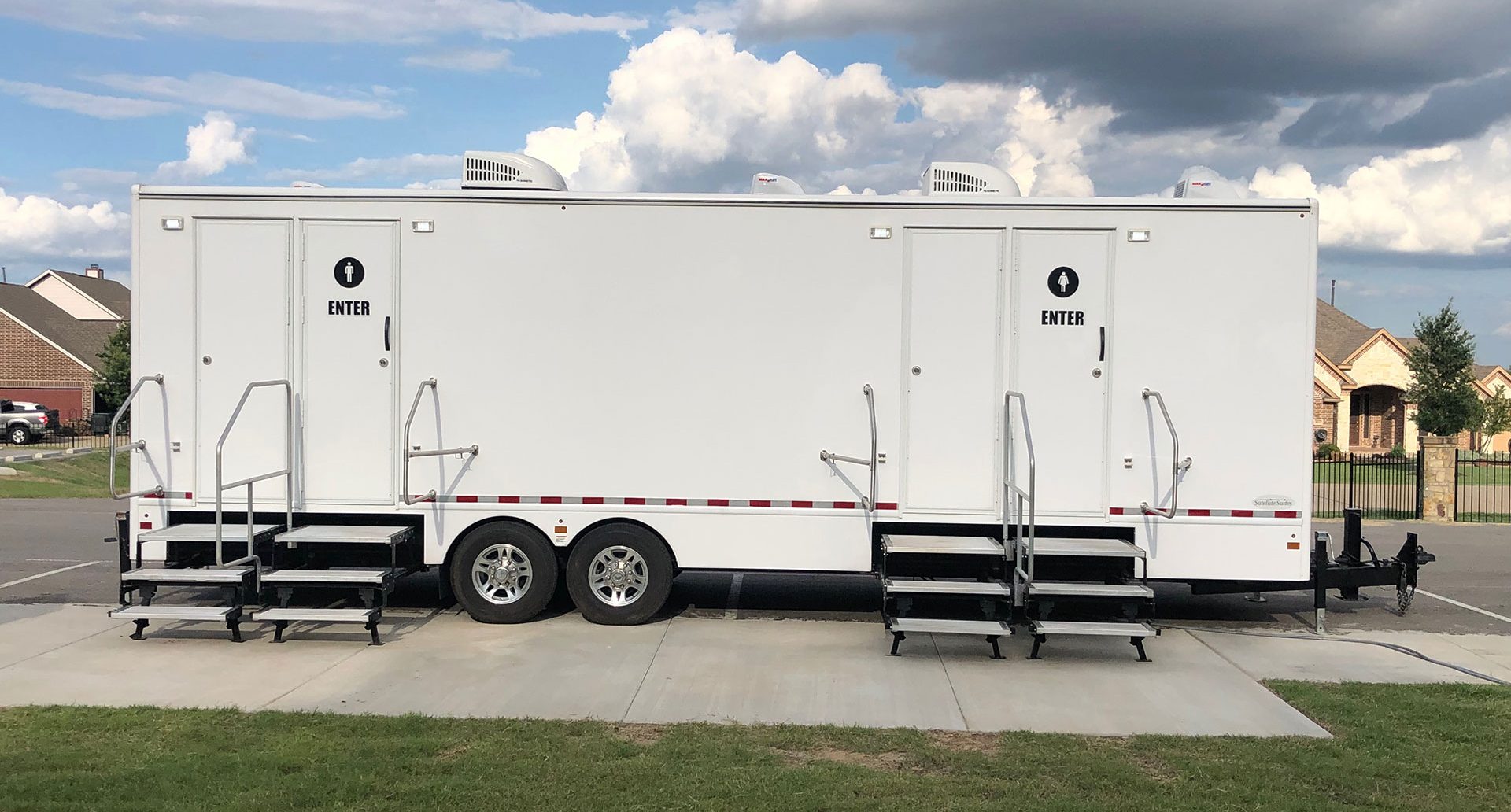
The logistical backbone of any large outdoor gathering is its sanitation plan. We have seen events fail because the organizers underestimated the need for portable sanitation. At a Texas Airshow, guests are consuming large amounts of fluids to stay hydrated, which puts a high demand on restroom facilities. You must provide a mix of standard units, ADA-compliant restrooms, and luxury portable restroom trailers for VIP areas. Strategically placing these units in “clusters” near high-traffic areas like the flight line and food courts is essential for managing crowd flow.
Furthermore, portable sanitation rentals should always include high-capacity handwashing stations or hand sanitizer units. In the post-2020 era, guests have a high expectation for hygiene. A successful event manager will schedule regular “service runs” throughout the day to make sure that units are cleaned, restocked, and pumped out during off-peak times. This prevents the unpleasant odors and overflowing units that can ruin a guest’s day. Working with a vendor that provides 24/7 on-site support during the event is the only way to guarantee a clean and comfortable environment for all attendees.
Temporary Fencing | Crowd Control
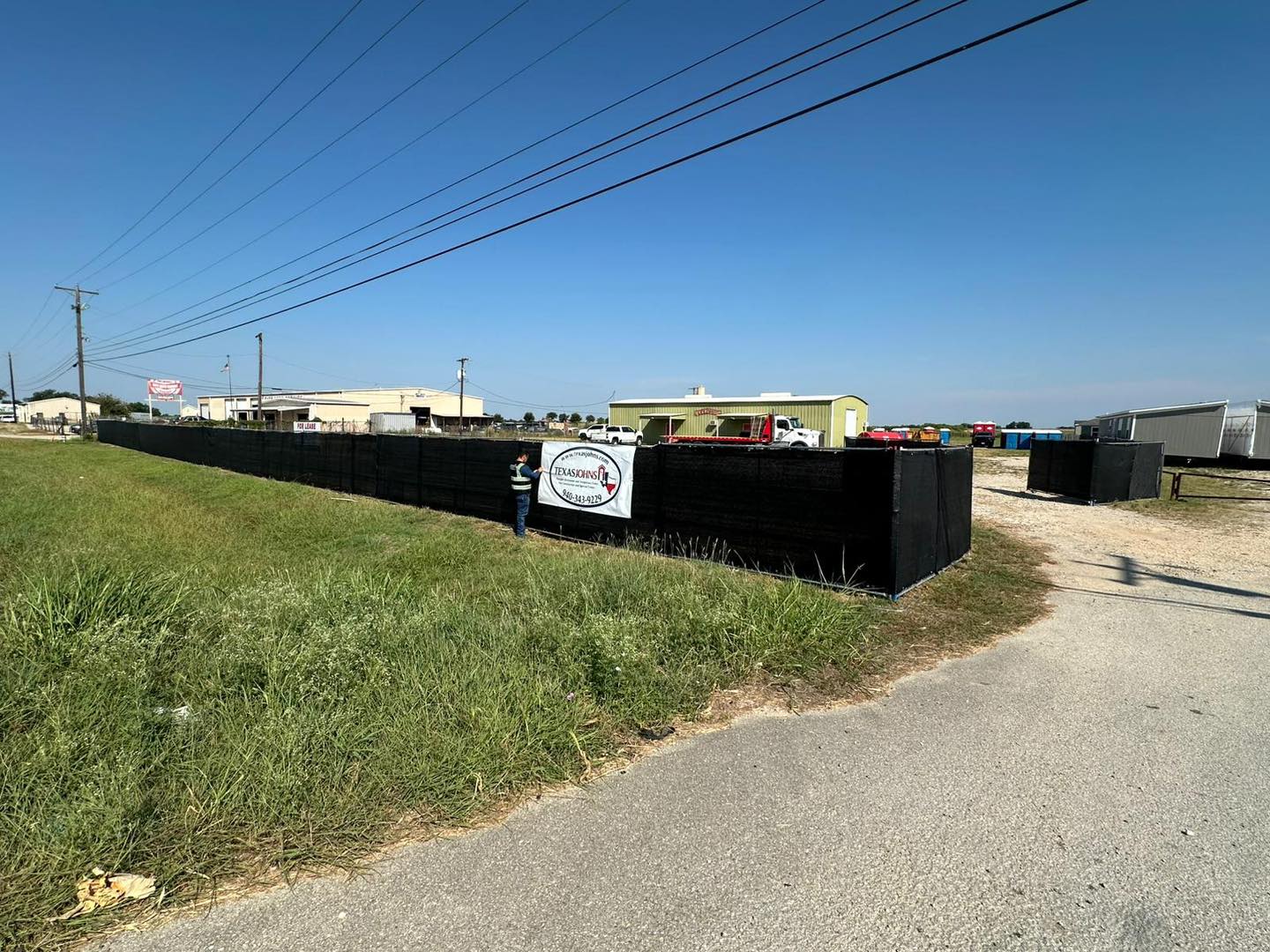
Safety at an airshow is not just about the planes; it is about keeping people in the right places. Temporary fencing is used to create “sterile” zones for the flight line, secure gated entries, and manage the separation between VIP chalets and general admission. We recommend using weighted-base fencing or specialized pedestrian barricades that can withstand the high winds often found on open runways. The fencing layout should be designed to facilitate rapid evacuation if necessary, with clearly marked and easily accessible emergency exits.
Waste Management | Keeping the Runway Clear
An airshow generates a massive amount of waste. Effective waste management is a safety issue as much as an aesthetic one; any loose trash can become Foreign Object Debris (FOD), which poses a lethal threat to jet engines. We implement a rigorous waste plan that includes hundreds of trash and recycling receptacles throughout the venue. More importantly, we schedule regular “FOD walks” where teams of volunteers scan the airfield for any debris. Partnering with a waste vendor that can manage the haul-off and sorting of large volumes of trash in real-time is vital for a Texas Airshow.
Storage Solutions | Logistical Support
The days leading up to an airshow are filled with deliveries—merchandise, pilot gear, signage, and supplies. We utilize on-site storage containers to keep these items secure and organized. Having climate-controlled storage is also a necessity for certain sensitive items, such as specialized pyrotechnics used in aerial displays or delicate electronics for the sound system. Proper storage containers allow the site to remain uncluttered and professional, facilitating a smoother setup and teardown process.
Security | Securing Public Space
Security at airshows in Texas involves multiple layers of protection. This includes local police for traffic control, private security for bag checks and gate monitoring, and often military personnel for static displays. We emphasize the importance of a unified command center where all security and emergency personnel can communicate. Modern airshow security also includes drone mitigation—making sure that no unauthorized unmanned aircraft interfere with the performers. A visible, professional security presence is a deterrent to trouble and a comfort to families attending the show.
Emergency Response and Weather Preparedness Plan
In Texas, the weather is the one variable no event coordinator can control. Whether it is a sudden thunderstorm on the Gulf Coast or a heatwave in North Texas, a Texas Airshow must have a comprehensive weather preparedness plan. This plan should include specific “trigger points” for delaying or canceling performances based on cloud ceiling, visibility, or wind speed. We coordinate with the National Weather Service or a private meteorological service to receive real-time updates directly in the command center.
An emergency response plan must also account for medical emergencies. The combination of heat, loud noises, and large crowds can lead to heat stroke, dehydration, or other medical issues. We establish multiple first-aid stations and make sure that ambulance crews have clear “ingress” and “egress” routes that are not blocked by the crowd. Every staff member and volunteer should be briefed on the emergency protocols, including the locations of cooling tents and the procedures for a lost child. A successful show is one that is prepared for the worst while delivering the best.
Coordinating the Staff and Volunteers
The “human engine” of a Texas Airshow is its staff and volunteer force. Managing an event of this scale requires hundreds, if not thousands, of dedicated individuals. We believe that clear communication is the key to managing this diverse group. This involves pre-event training sessions, detailed digital manuals, and a robust radio communication network during the show. Every volunteer, from the ticket taker to the portable sanitation monitor, should feel empowered to assist guests and report issues.
Staffing plans must include “relief” shifts to account for the Texas heat. No one should be expected to stand in the sun for ten hours without a break. Providing a dedicated “volunteer oasis” with shade, water, and food is essential for maintaining morale. When the staff is well-cared for, that positivity is reflected in their interactions with the public. The hospitality of a Texas Airshow is a direct result of the energy and professionalism of the people working behind the scenes.
Execute a Barnstormer Texas Airshow with Texas Johns
We understand that when it comes to the logistical success of a Texas Airshow, the details of portable sanitation are non-negotiable. At Texas Johns, we have built our reputation on providing the high-capacity, high-quality sanitation solutions that massive outdoor events require. We are not just a rental company; we are your partners in event excellence. Serving major hubs across the state—including Dallas, Fort Worth, Houston, Austin, and San Antonio—we have the inventory and the logistical expertise to support the most ambitious aviation events.
Our commitment to portable sanitation rentals means we provide more than just the units. we provide the peace of mind that comes from knowing your facilities will be clean, restocked, and professionally managed throughout the entire duration of the Texas Airshow. We offer a wide range of options, from rugged standard units to high-end VIP restroom trailers that provide a touch of luxury on the airfield. Our team is experienced in the unique demands of airfield logistics, making sure that our deliveries and service runs are coordinated with your flight schedules and security protocols.
By choosing Texas Johns, you are partnering with a local leader in portable sanitation services. We take pride in our Texas roots and our ability to deliver impeccable service across the state. We handle the heavy lifting of sanitation management so that you can focus on the spectacle in the sky. Let us help you make your next airshow a landmark success for your community and a comfortable, hygienic experience for every guest who walks through the gates.
Running a successful Texas Airshow is a feat of engineering, diplomacy, and endurance. As we have explored, the thrill of the aircraft is only one part of the equation. The true measure of a successful coordinator is their ability to manage the intricate web of permits, vendors, and safety protocols on the ground. From the strategic placement of portable sanitation rentals to the execution of a rigorous emergency plan, every detail contributes to the overall success of the event. We believe that in the great state of Texas, where everything is bigger, our commitment to logistical excellence must be equally immense. By partnering with the right experts and prioritizing the comfort and safety of your guests, you can create a Texas Airshow that will be remembered for generations.
Are you ready to take your event logistics to the next level? Don’t leave your sanitation needs to chance when planning your next Texas Airshow. Contact Texas Johns today to discuss our comprehensive portable sanitation services and get a custom quote for your event. Whether you are hosting a local fly-in or a massive international event like the Great Texas Airshow, we have the experience and equipment to help you succeed. Visit our website at www.texasjohns.com/ to explore our rental options and discover how we can help you make your next event the talk of the town. Let’s make sure your event is clean, safe, and successful from the ground up!
FREQUENTLY ASKED QUESTIONS
Q. How many portable restrooms are needed for a typical Texas Airshow?
The number of units required depends on the expected attendance and the duration of the event. For a major Texas Airshow, the general rule of thumb is at least one unit per 100 people if the event lasts more than four hours. However, we recommend increasing this number if there is a high volume of food and beverage consumption. We provide detailed consultations to help you determine the exact mix of standard and VIP portable sanitation rentals needed for your specific crowd size.
Q. What are the specific FAA requirements for airshows in Texas?
To host any of the major airshows in Texas, organizers must apply for an FAA Form 7711-2 Certificate of Waiver. This requires a detailed site plan that shows the aerobatic box, the spectator areas, and the emergency access routes. The FAA also requires a designated “Airboss” who is responsible for all flight operations and making sure that every pilot adheres to the safety standards set for the Great Texas Airshow.
Q. How do portable sanitation services handle the heat on a Texas airfield?
In the extreme heat of a Texas Airshow, we utilize specialized deodorizers and high-frequency service intervals to keep units fresh. We also recommend placing portable sanitation units in shaded areas whenever possible or utilizing trailers with internal climate control. Our team provides ongoing on-site maintenance during the show to pump out tanks and restock supplies, preventing odors and making sure that the units remain comfortable for guests.
Q. Why is temporary fencing so important for an airshow?
Temporary fencing is a critical safety component of a Texas Airshow. It establishes a clear boundary between the public and the active runway, protecting both spectators and pilots. It is also essential for gate management, VIP area security, and protecting high-value assets like static aircraft displays. We recommend using high-visibility fencing that can be easily identified by guests while providing a robust physical barrier.