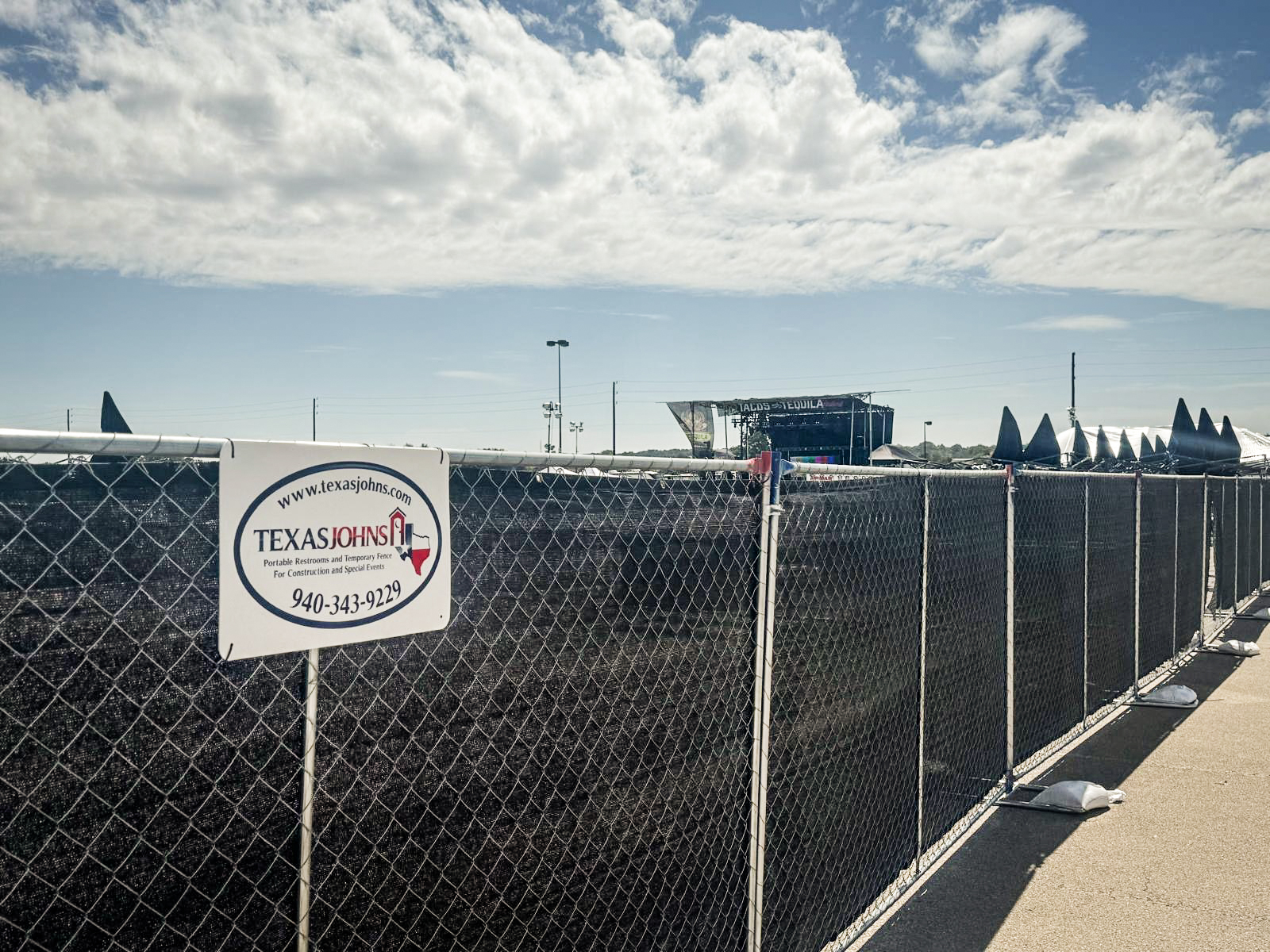

In Texas construction, the difference between a successful project and a liability nightmare often comes down to what stands at the perimeter. Navigating the building boom of 2026, from the high-rises in Dallas to the industrial expansions in Houston, temporary fencing has evolved from a simple boundary marker into a sophisticated tool for site management.
Picture this: A site manager arrives at a major commercial build near the site of a future Texas Rodeo. Without a secure barrier, the site is vulnerable to curious passersby, local wildlife, and even the occasional equipment thief. However, by implementing a strategic Temporary Construction Fencing plan, they create a fortress to protect both the public and the project’s bottom line.
Let’s look at the essential role of site perimeters and how they serve as the first line of defense in the modern construction era.
What Is Temporary Fencing? The First Line of Defense
Temporary Fencing is free-standing, self-supporting fencing held together with couplers that interlock panels, making it portable and flexible for various applications. Unlike permanent fencing, it requires no digging or permanent alterations to the ground, which is vital for projects on leased land or paved urban surfaces.
In the context of 2026 regulations, these barriers are more than just “metal mesh.” They are a legal and safety requirement. In the State of Texas, and particularly under OSHA standard 29 CFR 1926.502, any site with hazards like open trenches or heavy machinery must be secured to prevent unauthorized access. This is especially true in regions where a Rodeo in Texas or other high-traffic events might draw crowds near active work zones.
Common Types of Temporary Construction Fencing
Not all fences are created equal. Depending on the project’s duration, location, and security needs, contractors must choose the right “armor” for their site. Let’s look at the most common options available today.
1. Chain Link Fence Panels
This is the workhorse of the industry. Temporary Construction Fencing panels typically come in 6-foot or 8-foot heights. They are constructed from galvanized steel, making them resistant to the humid Gulf Coast air in Houston and the dry heat of West Texas.
- Pros | Fast installation, high visibility for security monitoring, and extremely durable.
- Best For | General commercial construction and long-term site security.
2. Post-Driven Fences
For sites that require maximum stability—such as those in high-wind areas or projects lasting over a year—post-driven fencing is the standard. Unlike panels on stands, these posts are driven directly into the soil.
- Pros | Superior strength; it is much harder for an intruder to move or topple these fences.
- Best For | Large-scale infrastructure projects and high-security zones.
3. Barricades And Crowd Control
Often referred to as “bike racks,” these are shorter, interlocking steel barriers. While they don’t provide the high-level security of a 6-foot panel, they are essential for directing traffic and managing pedestrians.
- Pros | Lightweight and highly mobile.
- Best For | Events like a Texas Rodeo or for delineating “no-go” zones within a larger construction site.
4. Privacy And Wind Screens
In 2026, aesthetics matter as much as safety. Many city ordinances in Dallas and Austin now require “opaque” barriers for sites in residential or high-density areas. Adding a mesh screen to your Temporary Fencing for construction serves three purposes:
- Dust Control | Keeps debris from blowing onto public roads.
- Theft Deterrence | If thieves can’t see the expensive copper or tools, they are less likely to target the site.
- Wind Resistance | Note that screened fences require extra bracing (like sandbags or “big feet” stands) to avoid acting like a sail during a Texas storm.
Benefits of Temporary Fencing | Beyond Security
While “keeping people out” is the primary goal, the benefits of a professional Temporary Construction Fencing Rental extend much further into the operational efficiency of a project.
Asset Protection And Theft Prevention
Construction theft is a multi-billion dollar problem. By creating a clear physical barrier, they send a message that the site is managed and monitored. In 2026, many contractors are integrating motion sensors directly onto their fence panels, turning the perimeter into a “smart” security system.
Liability And Risk Management
If a member of the public wanders onto a site and falls into a trench, the contractor could be held liable for millions in damages. Temporary Fencing for construction establishes a “duty of care.” It proves that the contractor took reasonable steps to warn and physically prevent the public from entering a hazardous area.
Regulatory Compliance
As mentioned earlier, OSHA and local Texas building codes are strict. Failing to have adequate fencing can result in:
- Fines | Which in 2026 can reach up to $15,000 per day for “willful” violations.
- Stop-Work Orders | Nothing kills a project’s profitability faster than a site being shut down by an inspector.
Site Organization
A fence defines the “workspace.” It tells vendors where to drop off materials, where the staging area ends, and where the safety-gear-required zone begins. This organization is crucial when coordinating multiple subcontractors on a cramped urban site.
Contractor’s Step-by-Step Installation Guide
Implementing a fencing plan isn’t just about dropping panels on the ground. To ensure the site remains compliant and secure through 2026, they should follow these steps:
Step 1 | Site Assessment
Walk the perimeter. Are there uneven surfaces? Are there utility lines that might be struck if driving posts? Determine where the primary vehicle and “man gates” should be located for the most efficient traffic flow.
Step 2 | Choose the Right Height
While 4 feet might be enough for a small residential renovation, most commercial sites in Texas require a minimum of 6 feet. If the site is adjacent to a public school or a high-traffic area like a Texas Rodeo venue, consider 8-foot panels for added security.
Step 3 | Secure the Bases
In the windy plains of North Texas, panels can tip easily. Use weighted stands or sandbags on every joint. For long runs of fencing, “V-bracing” or perpendicular panels should be added every 50 feet to increase lateral stability.
Step 4 | Add Signage
A fence without signs is a missed opportunity. Every 30 feet, there should be “Danger – Construction Area” or “No Trespassing” signs. It is also wise to include the contractor’s contact information and emergency phone numbers.
Step 5 | Maintenance Checks
A fence is only as strong as its weakest link. Over time, clamps can loosen, and screens can tear. Weekly inspections should be part of the site’s safety routine to ensure the perimeter remains intact.
Find Temporary Fencing Near You In Texas
When it comes to sourcing the right equipment, local expertise is irreplaceable. Texas is a massive state with diverse weather patterns and local regulations. A contractor in Houston needs a fence that can withstand high humidity and tropical gusts, while a team in Dallas needs to account for frozen ground in the winter.
Selecting a local Temporary Construction Fencing Rental partner ensures that the equipment is delivered promptly and that the installation crew understands the specific soil and wind conditions of the region. Furthermore, by bundling fencing with other site services—like portable toilets and sanitation—they can streamline their logistics and save on delivery fees.
Why Texas Johns Is The Preferred Partner
For over a decade, Texas Johns has been the “boots on the ground” for contractors across Dallas, Fort Worth, Houston, Austin, and San Antonio. They understand that a construction site is a living, breathing entity that needs reliable support.
Beyond providing high-quality Temporary Fencing, they offer a comprehensive suite of site solutions:
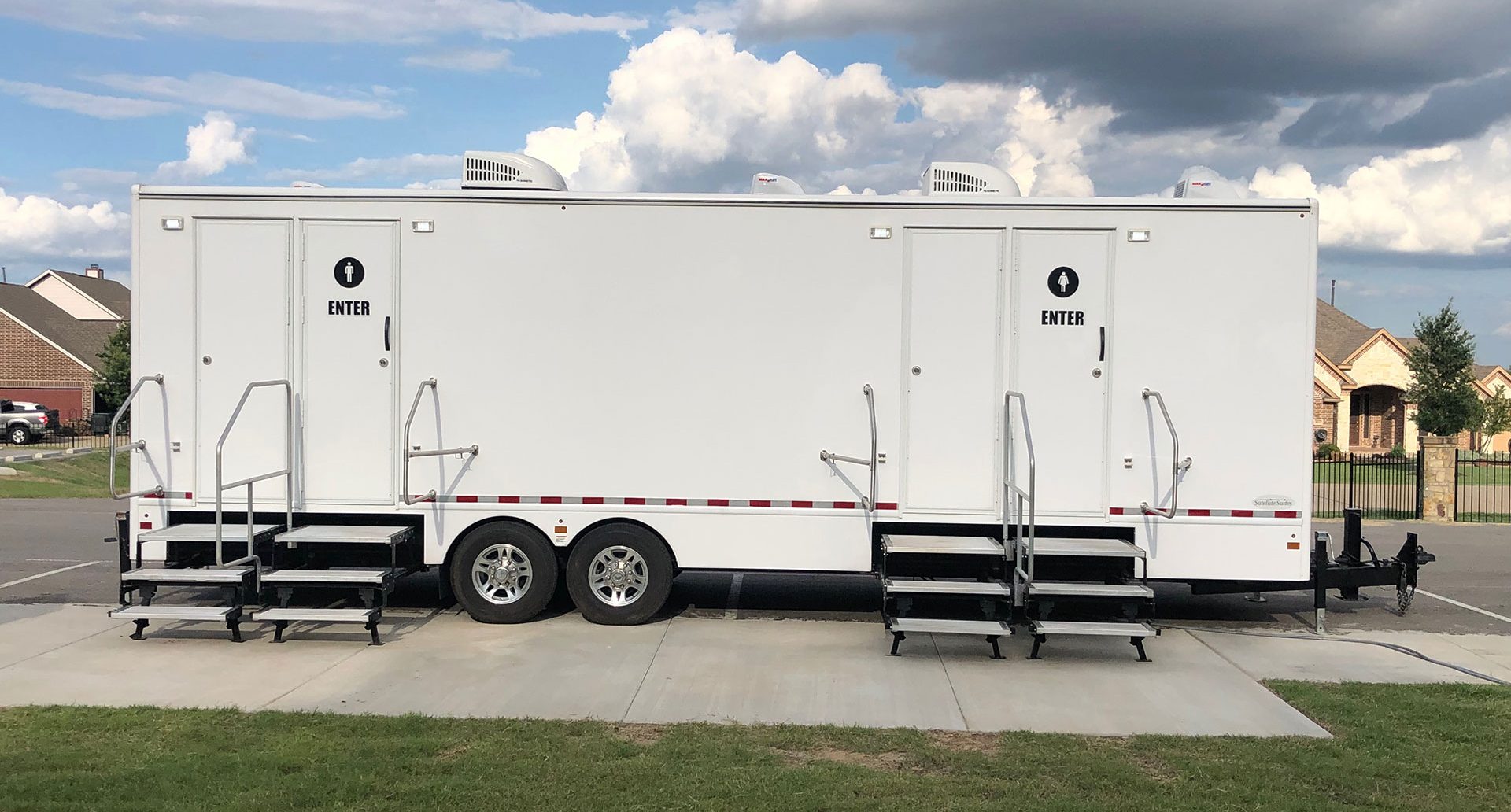
- Standard & Luxury Portable Toilets | Keeping the crew comfortable and the site sanitary.
- Hand Wash Stations | Essential for health compliance and worker safety.
- Expert Setup and Removal | Their teams handle the heavy lifting, ensuring every panel is locked and every base is secure before the first shovel hits the dirt.
By choosing a partner like Texas Johns, they aren’t just renting a fence; they are investing in the peace of mind that their site is compliant, secure, and ready for inspection.
By understanding the different types of Temporary Construction Fencing and the legal benefits they provide, project managers can protect their assets, reduce their liability, and ensure their crew has a safe environment to get the job done. Don’t wait for a security breach or a safety violation to take action. Partner with a reliable Temporary Construction Fencing Rental provider today and build with confidence.
Ready to secure your next project site? Contact Texas Johns today for a custom quote on fencing and site sanitation!